Journal •
Adaptive Reuse: Lessons from Open House Slovenia
Ana Tereza May Pereira spoke to us about her 2025 trip to Open House Slovenia, co-coordinated through the Open House Europe Volunteer Exchange Programme.
What drew you to participate in the Open House Europe Volunteer Exchange?
I was excited to apply for the Open House exchange programme because of the chance to learn more about a different culture and explore diverse styles of architecture, which is exactly what happened! I had the opportunity to exchange experiences not only with volunteers from Slovenia, but also with those from the Czech Republic and Germany.
And, what was it about Slovenia in particular?
I chose Slovenia because I had already visited neighbouring countries, and I was genuinely curious about what that region would be like. A country shaped by Germanic, Balkan, and Latin influences is truly unique, and you can see that reflected in its architecture, in the way people interact, and even in its food.
I believe that every time we can engage with a different culture, we not only learn about others but also about ourselves – and we discover the many things we all share.
Was there anything from your volunteering experience which you found surprising?
Interesting, one of the things I enjoyed the most was how not speaking or understanding Slovenian made me even more observant of my surroundings. In some of the tours I joined, local volunteers kindly translated parts for me, but since I couldn’t fully rely on language, I found myself paying extra attention to what was being shown, which really helped me focus.
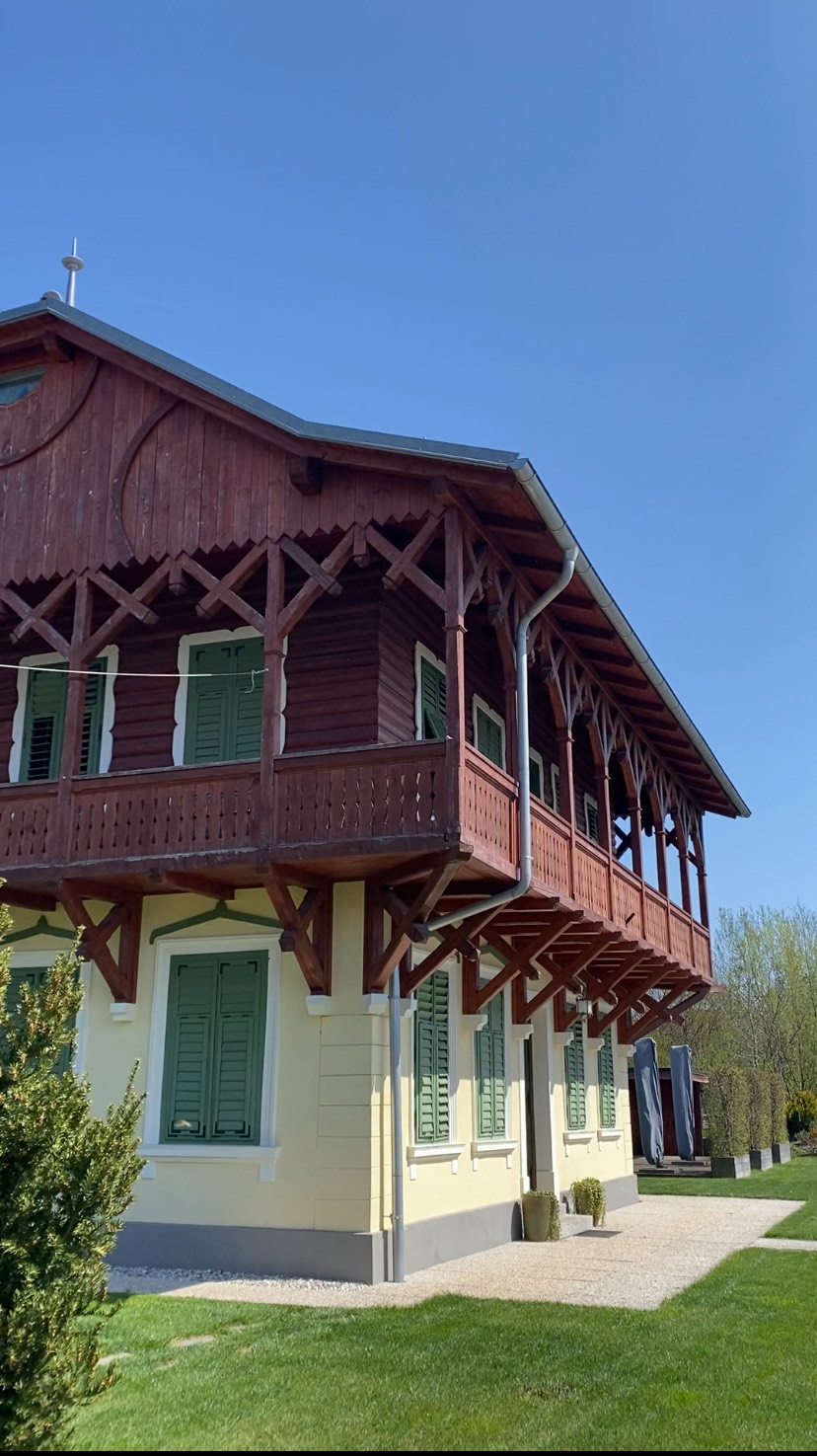
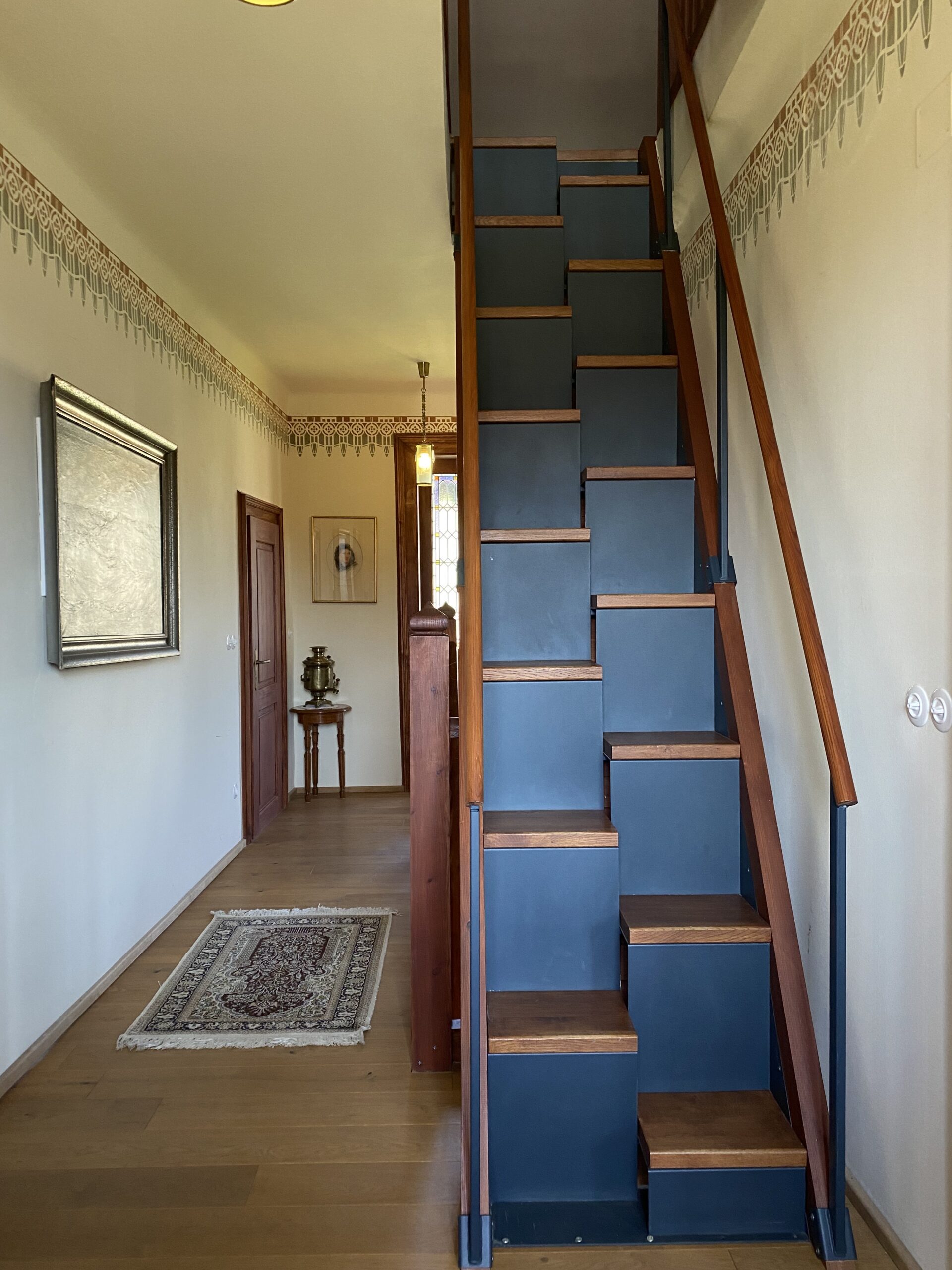
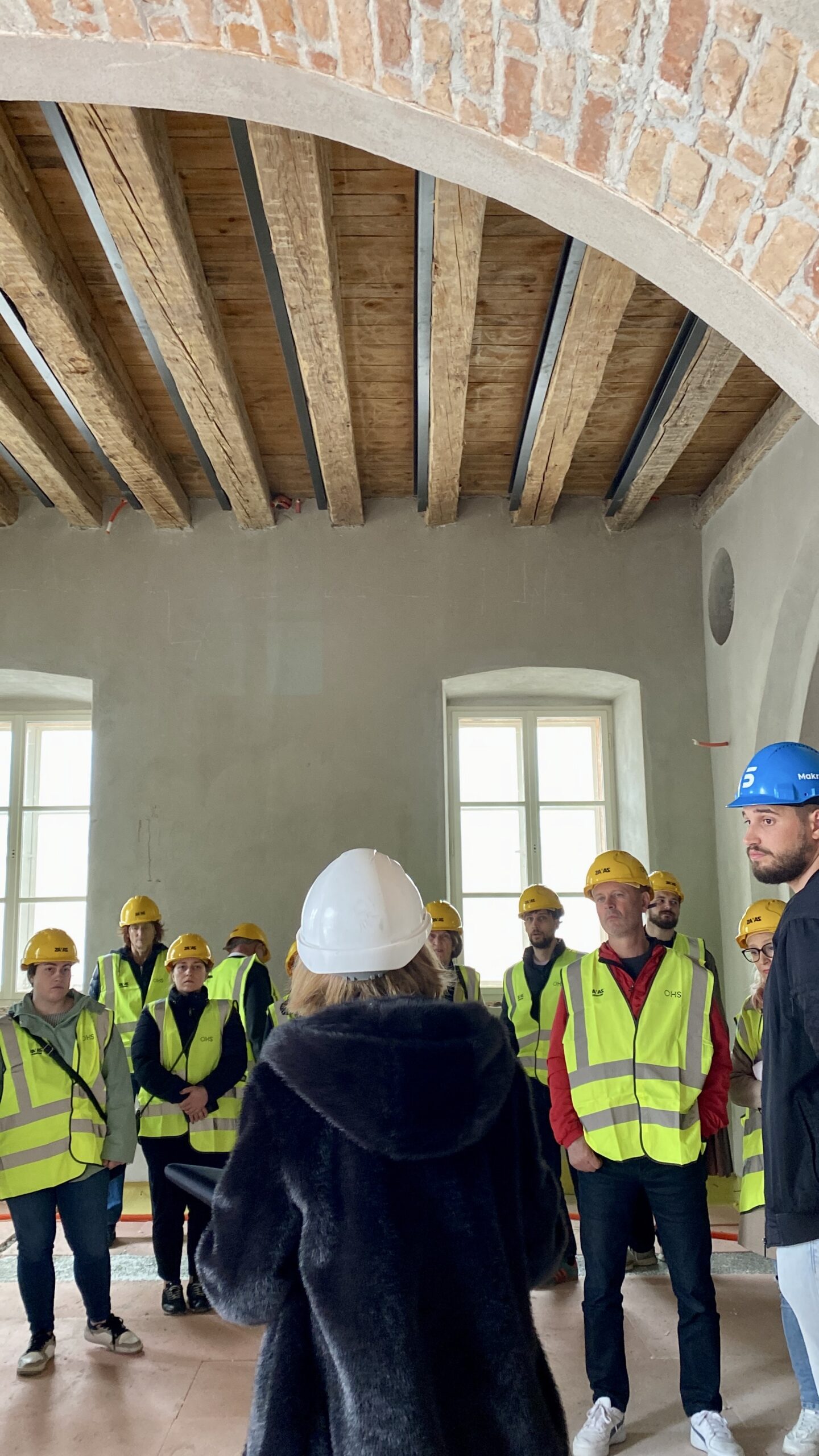
For example, one of the projects I visited was the Russian Dacha, a countryside house built by a Slovenian entrepreneur in the early 20th century after his visit to Russia. It reminded me of my great-grandmother’s house in rural Brazil, especially the use of wood and the steep, unconventional stairs that were oddly climbable despite their design. The Russian Dacha is in a rural area on the outskirts of Ljubljana and was one of the most memorable stops on the tour.
Another thing that really stood out to me was the silence of Ljubljana. Some of the projects I visited, such as the recently finished Unicredit bank building in the centre of Ljubljana, were clearly designed with this in mind. The ART.A Architecht’s designed site utilised thick carpets and dense wall materials, which at first seemed purely decorative, but served to absorb sound and create a quiet atmosphere. The city centre is also mostly pedestrianised, which helps reduce both noise and pollution, making the experience of exploring the city very calm and pleasant.
I also loved how easy it was to stay connected with architecture outside the official tours. Right after finishing my first tour on Friday, I stumbled upon an old Catholic church next to the building I had just visited. I decided to go inside, and to my surprise, it was no longer used for religious services but had been transformed into an art gallery and occasional concert venue. Križanke Church is managed by the Ljubljana Festival, one of the oldest music festivals in Europe.
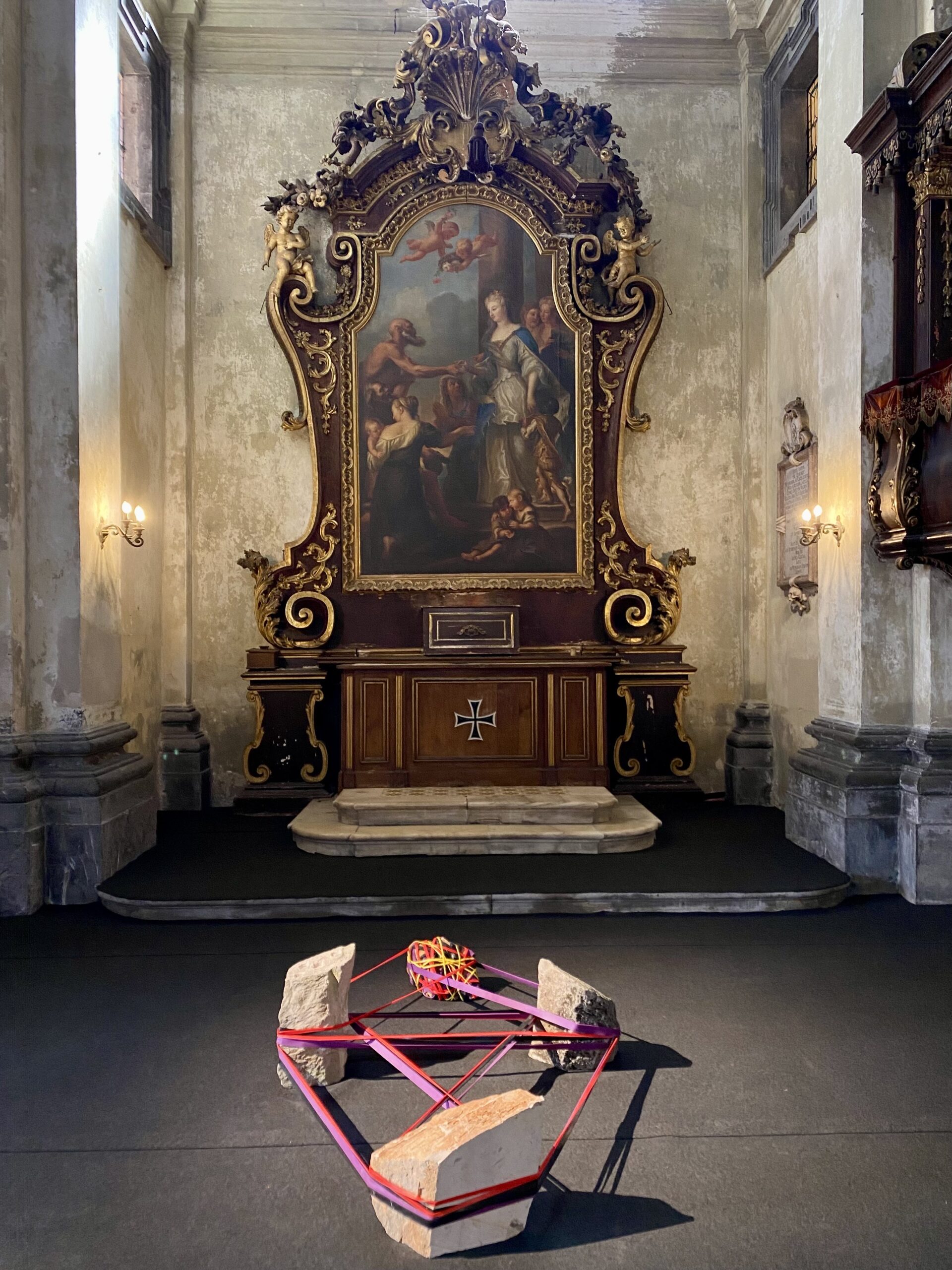
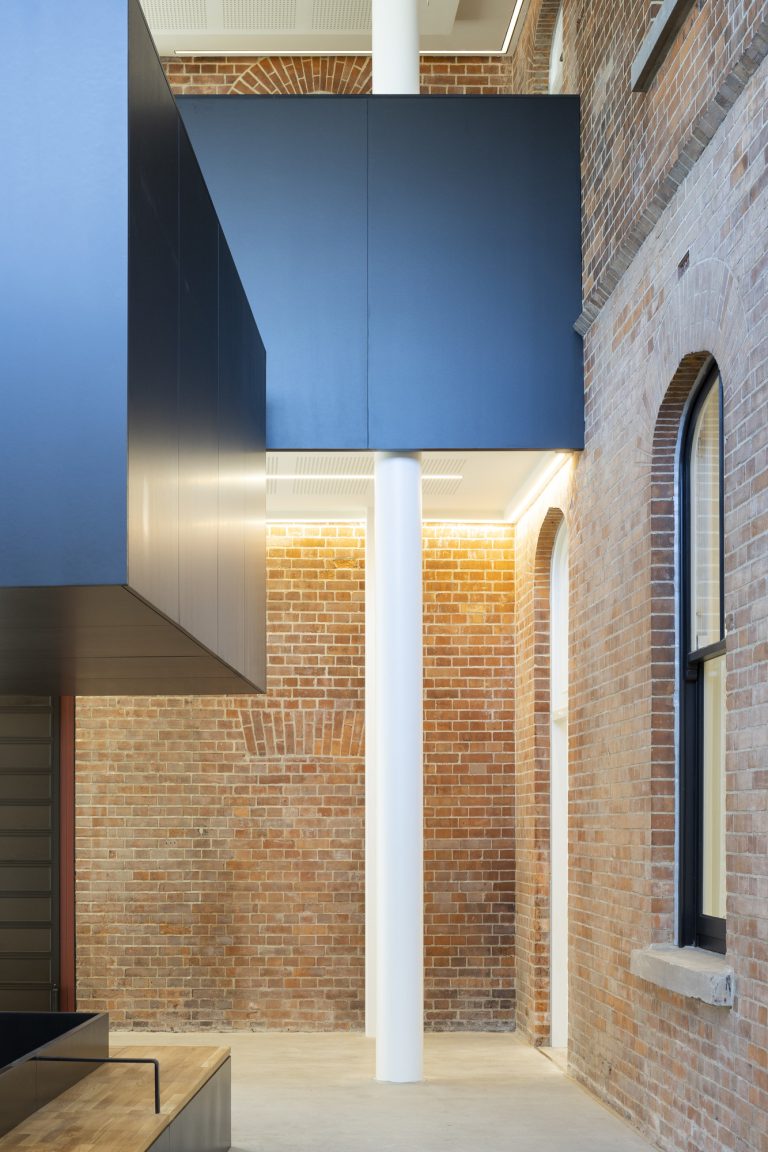
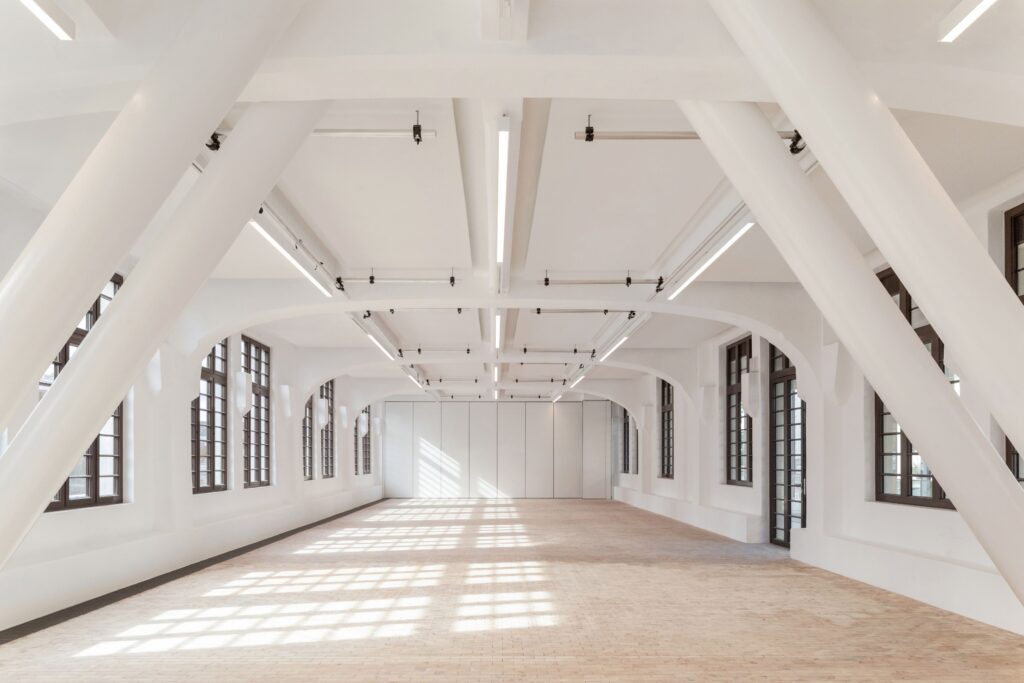
It was amazing to see how the city repurposes its historical spaces without erasing their identity. I also visited a former sugar factory, Gallery Cukrarna, which has been repurposed into a cultural centre for young people. Similarly, Rog Centre Creative Hub, formerly the Rog bicycle factory (the largest bicycle factory in Yugoslavia), reopened to the public as a hub for emerging designers and artists in 2023. These adaptive reuse projects really inspired me and showed how a city can evolve while still preserving its character.
How did your experiences of Open House Dublin inform your time in Slovenia?
Since it wasn’t my first festival, I felt more prepared. I knew I needed to research the place I was going to, understand how best to assist visitors by providing both guidance and information, and, just as importantly, to stay alert to small details that might not be mentioned in a tour script or text.
Volunteering with Open House Dublin also gave me the confidence to engage with people from different backgrounds and to adapt quickly to new environments. It was a great opportunity to reflect on Dublin’s architecture and urban atmosphere and then compare it to another city shaped by different cultural and historical influences.
Was there anything from your experience at Open House Slovenia which has impacted how you think about architecture?
One of the key takeaways for me was seeing how existing buildings and structures can be creatively reused – and how architecture can directly contribute to a quieter, more livable city and an improved quality of life.
In Ljubljana, I was very impressed by how many old buildings were repurposed for cultural or social use. It made me reflect on Dublin, a place where we are surrounded by dereliction and disuse across the city. The Slovenian approaches to redevelopment not only got me thinking about how considerate architecture could help address the housing crisis, which is, of course, the most urgent concern, but also how such buildings could be transformed into cultural spaces that enrich daily life and strengthen communities.
Another aspect that really impacted me was the sense of silence in Ljubljana. I’ve been to other cities of similar size, but none of them had that same calm and peaceful atmosphere. It made me realise how thoughtful architecture and urban planning, like restricting car traffic, using sound-absorbing materials, and preserving green spaces, can shape a city’s mood and rhythm. That’s something we could learn from Slovenian architecture and urbanism.
Do you have any advice for someone thinking about attending or volunteering at another Open House festival?
Be open to learning and stay curious! Architecture is meant to make our lives better and more beautiful, but it is also a way for us to experience life from different perspectives. It is truly magical when we learn how people in other places use architecture to improve their lives in ways that may be different from our own, but also notice the values and ideas we share.
To really understand that the best place to start is by observing what is already around us. So, if you can, get involved as a volunteer with Open House Dublin. Learn more about your own city, its architecture, its history, its stories, so when the time comes to travel, you will be able to exchange experiences with a richer point of view and appreciate the different ways architecture is practised across Europe.
Photo credits:
- Cover Image: Rog Centre Creative Hub. Photo courtesy of Ana Skobe
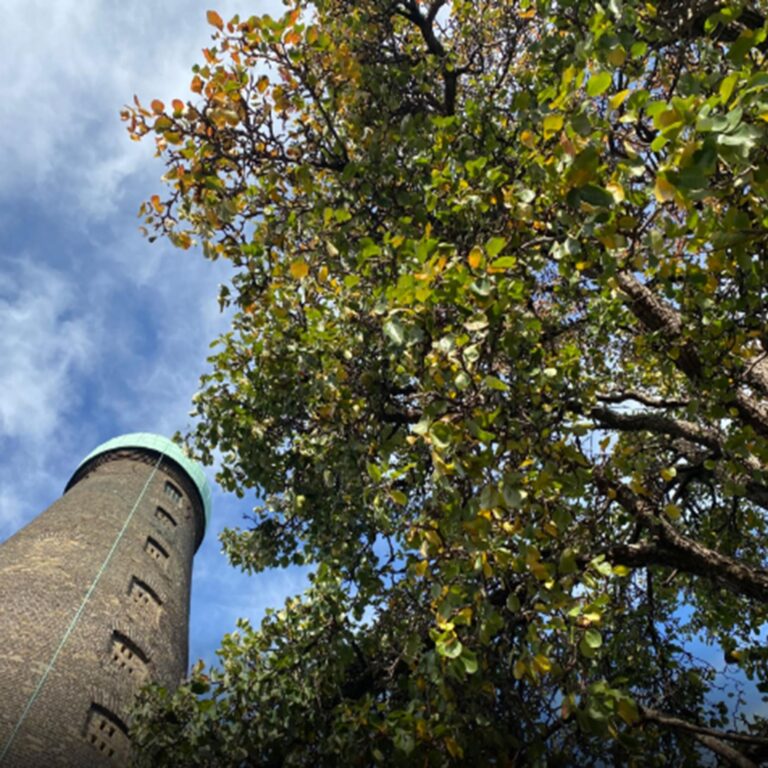
- Zgornje Gameljne, Ljubljana. Photo by Ana Tereza May Pereira
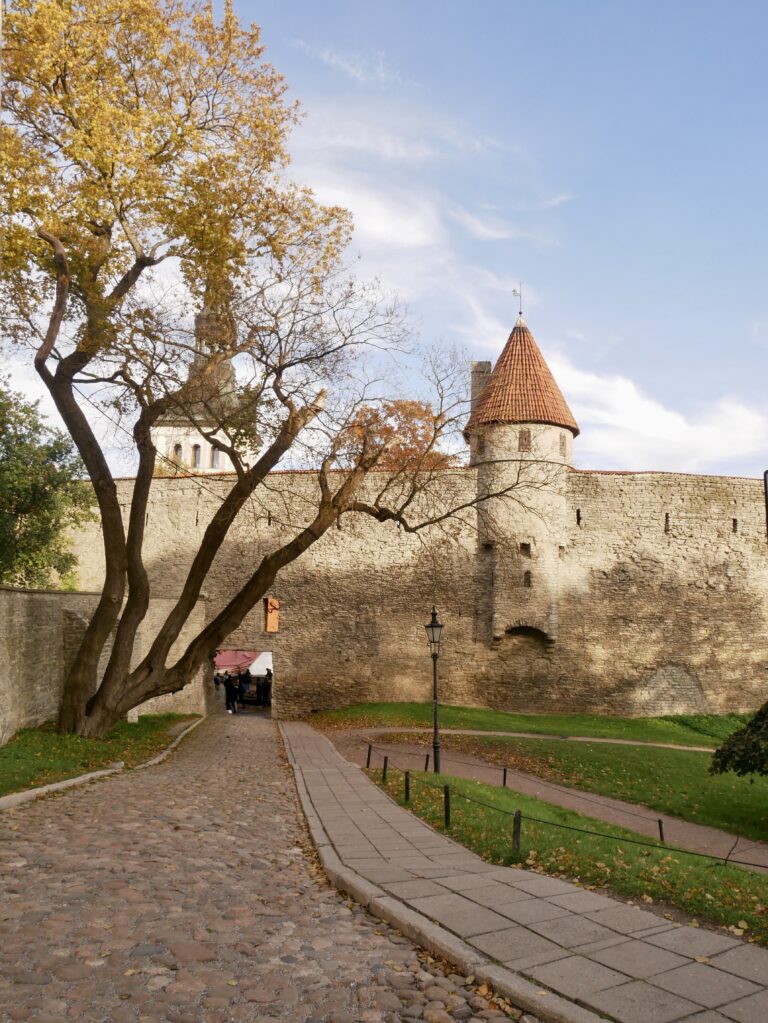
- Zgornje Gameljne, Ljubljana. Photo by Ana Tereza May Pereira
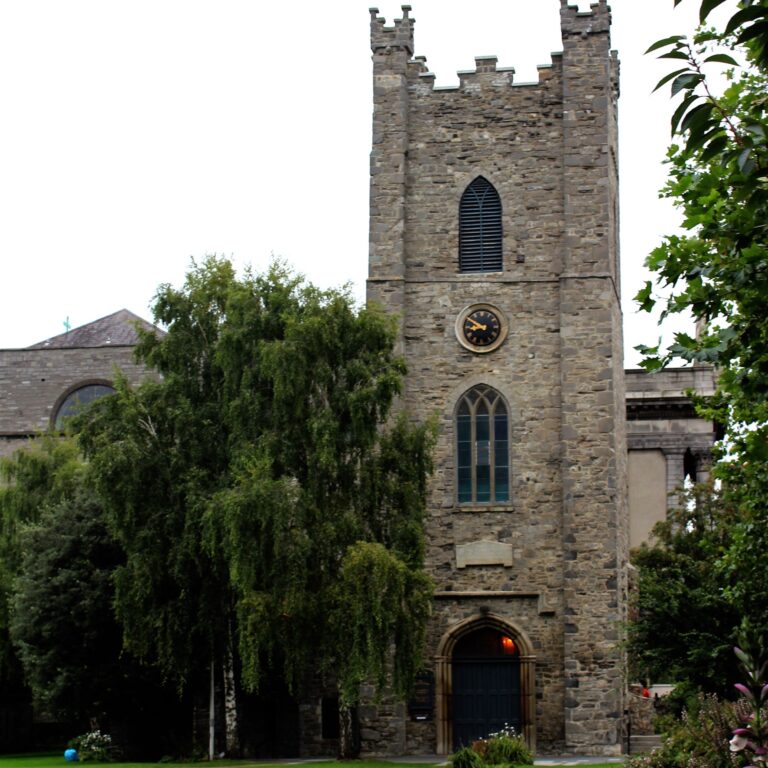
- Trg francoske revolucije, 1000 Ljubljana. Photo by Ana Tereza May Pereira
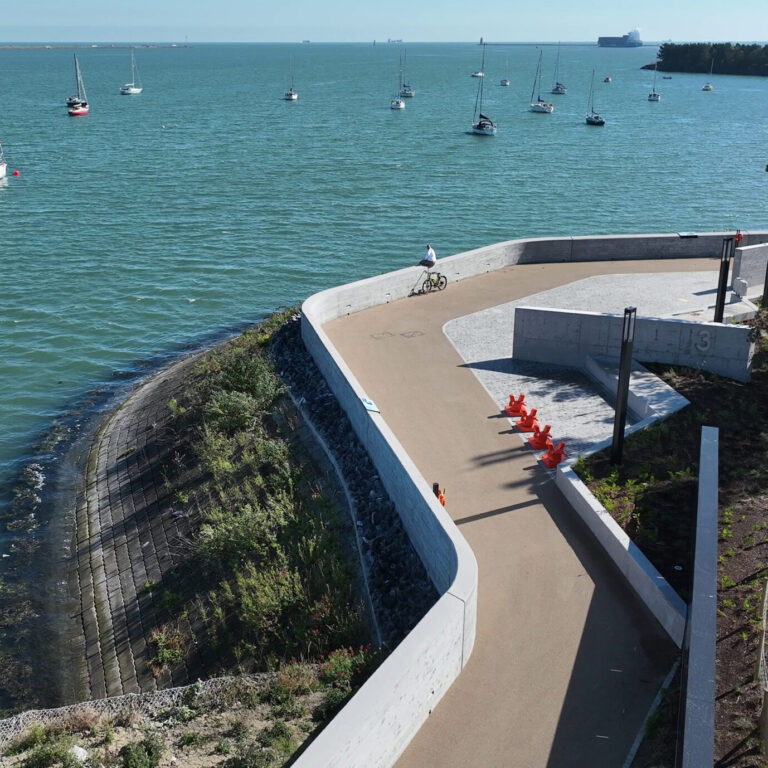
- Cukrarna, Ljubljana. Photo by Ana Tereza May Pereira
- DCB Montana, Ljubljana. Photo by Laura Jelovsek